
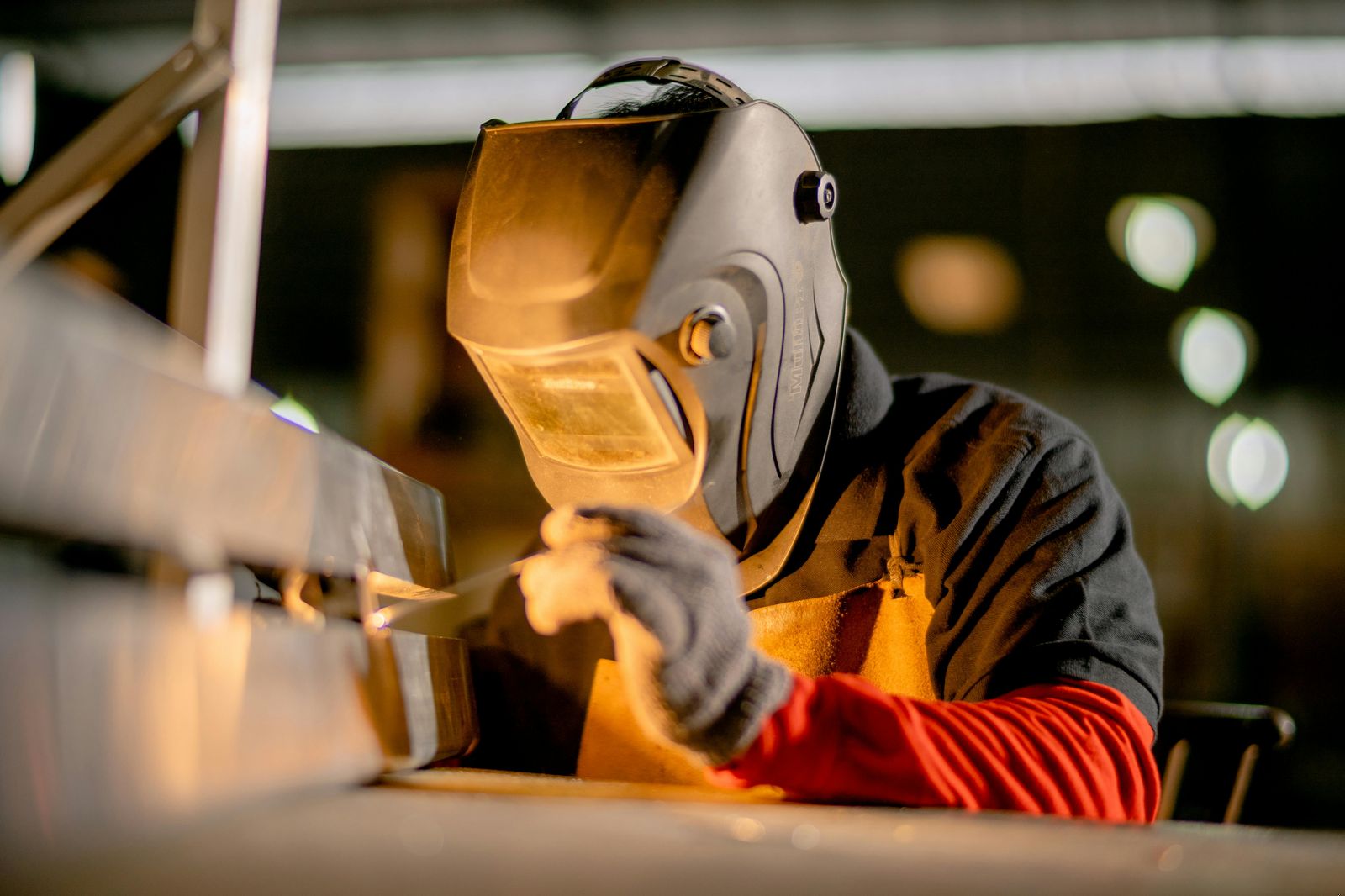
Kansas City is one of the strongest manufacturing markets in the Midwest. With over 1,000 manufacturing establishments employing tens of thousands of workers, the region offers both opportunities for sellers and a deep pool of qualified buyers [1]. But selling a manufacturing business is fundamentally different from selling a retail shop or service company. The complexity of equipment, contracts, supply chains, and operational systems requires specialized expertise that most general business brokers don't have.
After working with dozens of manufacturing business owners in Kansas City over the past 10 years, I've seen the pattern: owners who work with experienced manufacturing brokers achieve sale prices 15 to 25 percent higher than those who try to sell on their own or work with general brokers. They also close deals 4 to 6 months faster and avoid costly mistakes that can kill transactions.
"I tried selling my manufacturing business myself for 8 months. After getting low ball offers and wasting time with unqualified buyers, I hired a broker who specialized in manufacturing. They sold it in 90 days for $450,000 more than my best offer. The expertise was worth every penny."
Kansas City manufacturing business owner, $2.8M sale
Manufacturing businesses have unique value drivers that general brokers often miss: equipment depreciation schedules, contract transferability, supply chain relationships, intellectual property, environmental compliance, and operational complexity. A broker who understands these factors can position your business correctly and connect you with buyers who value what you've built.
This guide covers everything you need to know about working with manufacturing business brokers in Kansas City, from understanding how your business is valued to choosing the right broker and navigating the sale process successfully.
Why Kansas City Is a Strong Manufacturing Market
Kansas City's manufacturing sector is diverse and robust, creating both opportunities for sellers and strong buyer demand. The region's strategic location at the intersection of major transportation routes, combined with a skilled workforce and business friendly environment, makes it attractive to both strategic acquirers and independent buyers.
Manufacturing Sector Overview
Kansas City is home to over 1,000 manufacturing establishments employing more than 50,000 workers [1]. The manufacturing sector represents one of the top industries in the metro area, alongside transportation, healthcare, and retail. Average annual payroll per employee in manufacturing is competitive, indicating strong business performance and profitability.
Key manufacturing sectors in Kansas City:
- Transportation equipment manufacturing including automotive parts and aerospace components
- Food processing and packaging leveraging the region's agricultural base
- Metal fabrication and machining serving industrial and construction markets
- Plastics and chemical manufacturing supporting various industries
- Electronics and technology manufacturing including components and assemblies
- Printing and packaging serving regional and national markets
The diversity of manufacturing sectors means there are buyers for virtually every type of manufacturing business, from small job shops to larger operations with multiple product lines.
Strategic Location Advantages
Kansas City's location provides significant advantages for manufacturing businesses:
- Central location reduces shipping costs to both coasts and major markets
- Major transportation infrastructure including rail, highways, and air cargo
- Access to skilled workforce from both Missouri and Kansas
- Lower operating costs compared to coastal manufacturing centers
- Proximity to raw materials and agricultural inputs
These factors make Kansas City manufacturing businesses attractive to buyers who want to expand operations or relocate from higher cost areas.
Buyer Demand in Kansas City
The Kansas City manufacturing market sees consistent buyer demand from several sources:
Strategic acquirers look for manufacturing businesses that complement their existing operations, provide new capabilities, or expand their geographic reach. These buyers often pay premium prices for businesses that fit their strategic goals.
Private equity groups target manufacturing businesses with strong cash flow, growth potential, and scalability. They're particularly interested in businesses with recurring revenue, strong customer relationships, and operational systems that can be improved.
Independent investors including former executives, entrepreneurs, and family offices seek manufacturing businesses as investments. They often prefer owner operator models where they can be hands on.
International buyers from countries with strong manufacturing sectors look for U.S. operations to expand their global footprint. Kansas City's central location and transportation infrastructure make it attractive.
The combination of strong local manufacturing base and diverse buyer pool creates favorable conditions for sellers who position their businesses correctly.
How Manufacturing Businesses Are Valued
Valuing a manufacturing business requires understanding multiple factors beyond just financial performance. Equipment, contracts, intellectual property, and operational systems all contribute to value in ways that differ from service or retail businesses.
Primary Valuation Methods
Manufacturing businesses are typically valued using three primary methods:
1. Income Based Valuation (Most Common)
This method focuses on earnings, typically using EBITDA (Earnings Before Interest, Taxes, Depreciation, and Amortization) or SDE (Seller's Discretionary Earnings) for smaller owner operated businesses. Manufacturing businesses typically sell for 3.0x to 5.5x EBITDA, depending on size, growth, and risk factors.
For example, a Kansas City metal fabrication shop generating $400,000 in EBITDA might be valued between $1.2 million (3.0x) and $2.2 million (5.5x), with the actual multiple depending on factors like customer concentration, contract terms, equipment age, and growth trajectory.
Want to estimate your manufacturing business value? Use our free business valuation calculator to get an initial estimate based on your financials.
2. Asset Based Valuation
This method calculates the value of tangible assets (equipment, inventory, real estate) and intangible assets (customer relationships, contracts, intellectual property) minus liabilities. For manufacturing businesses, equipment value is critical and often requires professional appraisals.
Asset based valuation is particularly important when:
- The business has significant equipment value
- Earnings are temporarily depressed but assets are valuable
- The business is being sold as an asset sale
- Real estate is included in the sale
3. Market Based Valuation
This method compares your business to similar manufacturing businesses that have recently sold. A manufacturing broker with access to transaction data can provide comparable sales information, though manufacturing businesses vary significantly, making exact comparisons challenging.
Key Value Drivers for Manufacturing Businesses
Several factors systematically influence manufacturing business valuations:
Positive Value Drivers:
| Factor | Impact on Value |
|---|---|
| Strong Customer Contracts | Long term contracts with creditworthy customers reduce risk and increase value. Contracts with 2+ year terms and renewal options are particularly valuable. |
| Diversified Customer Base | No single customer over 20% of revenue reduces dependency risk. Businesses with 50+ active customers typically command higher multiples. |
| Modern Equipment | Equipment less than 5 years old reduces capital expenditure requirements for buyers. Well maintained equipment with service records increases value. |
| Recurring Revenue Streams | Manufacturing businesses with subscription models, maintenance contracts, or repeat customers have more predictable revenue and command higher multiples. |
| Intellectual Property | Patents, proprietary processes, and trade secrets create competitive advantages and increase value. Documented IP is more valuable than undocumented knowledge. |
| Strong Management Team | Businesses that can operate without the owner command higher multiples. Documented processes and trained management reduce transition risk. |
| Growing Revenue and Margins | Consistent growth over 3+ years signals strong market position and increases buyer confidence. Improving margins show operational efficiency. |
| Environmental Compliance | Clean environmental records and proper permits reduce buyer risk. Businesses with environmental issues face significant value discounts. |
Negative Value Drivers:
| Factor | Impact on Value |
|---|---|
| High Customer Concentration | Single customer over 30% of revenue can reduce value by 20% to 40%. Buyers discount businesses with dependency risk. |
| Aging Equipment | Equipment over 10 years old requires significant capital investment. Buyers factor in replacement costs, reducing net proceeds. |
| Owner Dependency | Businesses that can't operate without the owner reduce transferability. Buyers discount owner dependent operations by 15% to 30%. |
| Environmental Issues | Contamination, permit violations, or compliance problems can reduce value by 30% to 50% or kill deals entirely. |
| Declining Revenue | Revenue declines over 2+ years signal market weakness. Buyers discount declining businesses by 20% to 40%. |
| Thin Profit Margins | Low margins reduce cash flow and increase risk. Businesses with margins under 10% face challenges attracting buyers. |
| Supply Chain Dependencies | Reliance on single suppliers or suppliers with financial risk creates operational risk. Diversified supply chains are more valuable. |
Equipment Valuation Considerations
Manufacturing equipment is often a significant portion of total business value. Understanding how equipment is valued helps sellers set realistic expectations.
Equipment valuation factors:
- Age and condition: Newer, well maintained equipment commands higher values. Equipment appraisals typically use fair market value, orderly liquidation value, or forced liquidation value.
- Depreciation schedules: Tax depreciation doesn't reflect actual market value. Equipment may be fully depreciated but still have significant market value.
- Replacement cost: Buyers consider what it would cost to replace equipment, not just book value. Modern equipment reduces buyer capital requirements.
- Specialization: Highly specialized equipment may have limited resale value but creates barriers to entry, potentially increasing business value.
- Maintenance records: Well documented maintenance history increases equipment value and buyer confidence.
A manufacturing broker can help coordinate professional equipment appraisals and ensure equipment value is properly reflected in the overall business valuation.
What Manufacturing Business Brokers Do
Manufacturing business brokers provide specialized services tailored to the unique needs of manufacturing businesses. Their expertise goes far beyond general business brokerage.
Specialized Valuation Services
Manufacturing brokers understand the unique value drivers for manufacturing businesses. They:
- Analyze equipment value including depreciation schedules, replacement costs, and market comparables
- Evaluate contract transferability and assess the value of customer relationships
- Assess intellectual property including patents, proprietary processes, and trade secrets
- Review supply chain relationships and evaluate dependency risks
- Examine environmental compliance and identify potential issues before they become deal killers
- Calculate normalized earnings adjusting for owner benefits, one time expenses, and non recurring items
This specialized analysis helps sellers understand their business's true market value and position it effectively.
Confidential Marketing to Qualified Buyers
Manufacturing brokers maintain networks of qualified buyers specifically interested in manufacturing businesses. They:
- Create confidential information memorandums that highlight strengths without revealing your identity
- Reach out to strategic acquirers in your industry who may want to expand capabilities
- Connect with private equity groups that target manufacturing businesses
- Identify independent investors looking for manufacturing opportunities
- Screen buyers to verify financial capability and serious intent before you spend time with them
The buyer network is critical. General brokers may not have connections to manufacturing specific buyers, limiting your options and potentially reducing sale price.
Deal Structuring Expertise
Manufacturing business sales involve complex deal structures. Brokers help:
- Structure asset vs equity sales considering tax implications and liability transfer
- Negotiate equipment financing and transition arrangements
- Handle contract assignments ensuring customer contracts transfer properly
- Manage environmental due diligence and address compliance issues
- Structure earnout arrangements when appropriate to bridge valuation gaps
- Coordinate seller financing when it makes sense for both parties
The complexity of manufacturing deals requires expertise that general brokers may not have.
Due Diligence Management
Manufacturing businesses face extensive due diligence. Brokers help:
- Organize equipment documentation including maintenance records, warranties, and service agreements
- Prepare contract files ensuring all customer and supplier contracts are organized
- Coordinate environmental assessments and address any issues proactively
- Manage intellectual property documentation including patents, trademarks, and trade secrets
- Facilitate buyer site visits while maintaining confidentiality
- Respond to buyer questions efficiently to keep deals moving forward
Proper due diligence preparation prevents deals from stalling and reduces the risk of last minute issues.
The Manufacturing Business Sale Process
Selling a manufacturing business follows a structured process that typically takes 6 to 12 months from initial valuation to closing. Understanding the process helps you prepare and set realistic expectations.
Phase 1: Preparation and Valuation (4 to 8 weeks)
The first phase involves preparing your business for sale and determining its value.
Key activities:
- Financial preparation: Organize 3 to 5 years of financial statements, tax returns, and bank records. Normalize earnings by adding back owner benefits and removing non recurring items.
- Equipment documentation: Gather equipment lists, maintenance records, warranties, and service agreements. Consider professional equipment appraisals.
- Contract review: Organize all customer contracts, supplier agreements, and lease documents. Identify which contracts are transferable.
- Environmental assessment: Conduct preliminary environmental review to identify any issues before going to market.
- Valuation analysis: Work with your broker to determine realistic market value based on financial performance, assets, and market comparables.
Common mistakes to avoid:
- Underestimating the time required for preparation
- Not normalizing financials properly, leading to undervaluation
- Ignoring environmental issues that will surface during due diligence
- Overvaluing equipment based on replacement cost rather than market value
Want help preparing your manufacturing business for sale? Contact us for a free confidential consultation to discuss your specific situation.
Phase 2: Marketing and Buyer Identification (2 to 6 months)
Once prepared, your broker markets your business confidentially to qualified buyers.
Marketing activities:
- Create marketing materials: Confidential information memorandum highlighting strengths without revealing your identity
- Reach out to buyer network: Contact strategic acquirers, private equity groups, and independent investors
- List on business marketplaces: Post on BizBuySell and other platforms with blind profiles
- Industry outreach: Contact companies in your industry who may want to expand capabilities
- Maintain confidentiality: Use non disclosure agreements and screen buyers before sharing detailed information
Buyer screening process:
- Financial verification: Confirm buyers have financial capacity to complete the transaction
- Experience assessment: Evaluate buyer's experience with manufacturing businesses
- Serious intent verification: Ensure buyers are genuinely interested, not just exploring
- Reference checks: Verify buyer credentials and past transaction history
The goal is to generate multiple qualified offers, creating competitive bidding that maximizes your sale price.
Phase 3: Negotiation and Letter of Intent (2 to 4 weeks)
When qualified buyers express interest, your broker facilitates negotiations and helps structure the deal.
Negotiation points:
- Purchase price: Base price and payment structure
- Payment terms: Cash at closing, seller financing, earnouts, and payment timing
- Asset allocation: How purchase price is allocated across assets for tax purposes
- Transition period: Training time, consulting arrangements, and compensation
- Non compete agreement: Duration, geographic scope, and consideration
- Contingencies: Financing, due diligence, and other conditions
- Closing timeline: Target closing date and key milestones
Letter of Intent (LOI):
The LOI outlines key terms before full legal documentation. It's non binding but sets the framework for the transaction. Your broker helps negotiate favorable LOI terms that protect your interests.
Phase 4: Due Diligence (30 to 90 days)
After accepting an LOI, the buyer conducts due diligence to verify information and assess risks.
Due diligence areas:
- Financial review: Detailed analysis of financial statements, tax returns, and bank records
- Equipment inspection: Physical inspection of equipment, review of maintenance records, and assessment of condition
- Contract review: Examination of customer contracts, supplier agreements, and lease terms
- Environmental assessment: Phase I and potentially Phase II environmental assessments
- Legal review: Examination of corporate records, permits, licenses, and any legal issues
- Operational review: Site visits, employee interviews, and process documentation review
- Intellectual property: Verification of patents, trademarks, and trade secrets
Your broker helps coordinate due diligence, respond to buyer questions, and address issues that arise. Proper preparation in Phase 1 reduces due diligence surprises.
Phase 5: Closing and Transition (30 to 60 days)
Once due diligence is complete, the parties finalize legal documents and close the transaction.
Closing activities:
- Finalize purchase agreement: Complete legal documentation with attorneys
- Coordinate financing: Ensure buyer financing is in place
- Transfer assets: Complete equipment transfers, contract assignments, and inventory counts
- Environmental compliance: Complete any required environmental filings or certifications
- Employee communication: Notify employees of ownership change (if not done earlier)
- Payment processing: Receive payment through escrow or direct transfer
Transition period:
Most manufacturing sales include a transition period where you train the buyer and key employees. This typically lasts 30 days to 2 years, depending on business complexity. Transition agreements specify your role, duration, and compensation.
Common Challenges in Manufacturing Business Sales
Manufacturing business sales face unique challenges that require specialized expertise to navigate successfully.
Challenge 1: Equipment Valuation Disputes
The problem: Buyers and sellers often disagree on equipment value. Sellers may value equipment at replacement cost, while buyers consider market value and condition.
How brokers help: Manufacturing brokers coordinate professional equipment appraisals and help bridge valuation gaps. They understand that equipment value is part of overall business value, not a separate negotiation point.
Challenge 2: Contract Transferability
The problem: Customer contracts may not be easily transferable. Some contracts require customer consent, while others may terminate upon ownership change.
How brokers help: Brokers review contracts early in the process and identify transferability issues. They help structure deals to address contract concerns and may negotiate with customers to ensure continuity.
Challenge 3: Environmental Compliance
The problem: Manufacturing businesses often have environmental considerations including permits, waste disposal, and potential contamination. Environmental issues can kill deals or significantly reduce value.
How brokers help: Experienced manufacturing brokers conduct preliminary environmental reviews and address issues proactively. They work with environmental consultants to resolve problems before going to market and structure deals to allocate environmental risk appropriately.
Challenge 4: Owner Dependency
The problem: Many manufacturing businesses rely heavily on the owner's knowledge and relationships. Buyers discount owner dependent businesses because they're harder to transfer.
How brokers help: Brokers help document processes, train management teams, and reduce owner dependency before going to market. They may recommend hiring additional management or creating operational manuals to improve transferability.
Challenge 5: Customer Concentration
The problem: Manufacturing businesses often have high customer concentration, with one or two customers representing a large portion of revenue. This creates risk that buyers discount.
How brokers help: Brokers help diversify customer base before sale or structure deals to address concentration risk. They may negotiate customer contracts to provide more security or structure earnouts tied to customer retention.
Challenge 6: Supply Chain Dependencies
The problem: Manufacturing businesses may depend on specific suppliers or have supply chain risks. Buyers worry about supply chain disruptions affecting operations.
How brokers help: Brokers help document supply chain relationships and identify diversification opportunities. They work with sellers to strengthen supplier relationships and reduce dependency risks.
Who Buys Manufacturing Businesses in Kansas City
Understanding who buys manufacturing businesses helps you position your business and identify the right buyer type.
Strategic Acquirers
Strategic acquirers are companies in your industry or related industries who want to expand capabilities, enter new markets, or acquire customers and contracts.
Characteristics:
- Often pay premium prices for strategic fit
- May want to retain your management team
- Typically move faster than financial buyers
- May offer stock or rollover equity as part of deal
- Focus on synergies and strategic value
Example: A Kansas City metal fabrication company might be acquired by a larger manufacturer who wants to add fabrication capabilities or expand into the Kansas City market.
Private Equity Groups
Private equity groups target manufacturing businesses with strong cash flow and growth potential. They're particularly interested in businesses that can be improved operationally.
Characteristics:
- Focus on EBITDA and cash flow
- Often want management to stay on
- May offer rollover equity opportunities
- Typically move slower due to investment committee approvals
- Focus on operational improvements and growth
Example: A private equity group might acquire a Kansas City food processing business with the goal of improving operations, expanding capacity, and eventually selling at a higher multiple.
Independent Investors
Independent investors include former executives, entrepreneurs, and family offices looking for manufacturing businesses as investments.
Characteristics:
- Often prefer owner operator models
- May need seller financing or SBA loans
- Typically move at moderate pace
- Want hands on involvement
- Focus on cash flow and lifestyle
Example: A former manufacturing executive might buy a Kansas City machining shop to run as an owner operator, using their industry experience to grow the business.
International Buyers
International buyers from countries with strong manufacturing sectors look for U.S. operations to expand their global footprint.
Characteristics:
- Often pay premium for U.S. market access
- May move slower due to cross border complexity
- Require more due diligence
- Focus on strategic value and market access
- May need help with U.S. regulations and compliance
Example: A German manufacturing company might acquire a Kansas City component manufacturer to establish U.S. operations and serve North American customers.
How to Choose a Manufacturing Business Broker
Not all brokers have experience with manufacturing businesses. Choosing the right broker makes a significant difference in your sale outcome.
Key Qualifications to Look For
1. Manufacturing Industry Experience
Look for brokers who have sold manufacturing businesses before. Ask for specific examples of manufacturing deals they've closed, including business types and sale prices. General business brokers may not understand manufacturing specific value drivers.
2. Equipment Valuation Expertise
Manufacturing brokers should understand equipment valuation and be able to coordinate professional appraisals. They should know the difference between book value, market value, and replacement cost.
3. Buyer Network
Ask about their network of manufacturing buyers. Do they have relationships with strategic acquirers, private equity groups, and independent investors interested in manufacturing? A strong buyer network increases your chances of finding the right buyer.
4. Environmental Experience
Manufacturing brokers should have experience with environmental due diligence and compliance. They should be able to identify potential environmental issues early and help address them.
5. Contract and IP Expertise
Brokers should understand contract transferability and intellectual property valuation. They should be able to help structure deals that protect contract value and IP assets.
Red Flags to Avoid
Unrealistic promises: Brokers who promise unrealistic sale prices or timelines are likely inexperienced or dishonest. Manufacturing sales take time and require realistic expectations.
Lack of manufacturing examples: If a broker can't provide specific examples of manufacturing deals, they may not have the right experience.
No equipment valuation capability: Brokers who can't discuss equipment valuation in detail may not understand manufacturing businesses.
Pressure to sign quickly: Good brokers want you to be comfortable. Pressure tactics are manipulative and unprofessional.
Vague process explanation: Brokers should be able to explain their process clearly, including how they'll market your business and find buyers.
Questions to Ask Potential Brokers
- How many manufacturing businesses have you sold in the past 2 years?
- Can you provide references from manufacturing business sellers?
- What's your process for valuing manufacturing equipment?
- Who are some of the buyers in your network interested in manufacturing?
- How do you handle environmental due diligence?
- What's your typical timeline for manufacturing business sales?
- How do you structure deals to address contract transferability?
- What's your fee structure and when do you get paid?
A good manufacturing broker will answer these questions confidently and provide specific examples.
Maximizing Your Manufacturing Business Sale Price
Several strategies can help you maximize your sale price when selling a manufacturing business.
Prepare Early
Start preparing 12 to 18 months before you want to sell. This gives you time to:
- Improve financial performance: Focus on growing revenue and improving margins
- Reduce owner dependency: Hire and train management, document processes
- Diversify customers: Reduce customer concentration risk
- Update equipment: Replace aging equipment or demonstrate maintenance programs
- Strengthen contracts: Negotiate longer term contracts with key customers
- Address environmental issues: Resolve any compliance problems
Preparation pays off. Businesses that are well prepared typically sell for 15% to 25% more than unprepared businesses.
Understand Your Value Drivers
Work with your broker to identify what makes your business valuable:
- Equipment value: What's your equipment worth? Is it modern and well maintained?
- Contract value: Do you have long term contracts? Are they transferable?
- IP value: Do you have patents, proprietary processes, or trade secrets?
- Customer relationships: Is your customer base diversified? Are relationships strong?
- Operational systems: Can the business run without you? Are processes documented?
Understanding value drivers helps you position your business effectively and negotiate from strength.
Create Competitive Bidding
Multiple qualified buyers create competitive bidding, which typically increases sale price by 10% to 20%. Your broker should:
- Market broadly: Reach out to multiple buyer types
- Generate multiple offers: Create competition among buyers
- Use deadlines: Set response deadlines to create urgency
- Leverage strengths: Highlight what makes your business attractive
Competitive bidding is one of the most effective ways to maximize sale price.
Structure the Deal Strategically
Deal structure affects your net proceeds:
- Asset allocation: How purchase price is allocated affects taxes
- Payment timing: When you receive payments affects present value
- Earnouts: Can bridge valuation gaps while providing upside
- Seller financing: May enable higher sale prices but creates risk
- Rollover equity: Can defer taxes and provide upside potential
Work with your broker and advisors to structure the deal optimally for your situation.
Common Mistakes Manufacturing Sellers Make
Avoiding common mistakes can save you time, money, and stress.
Mistake 1: Not Preparing Early Enough
Many sellers wait until they're ready to sell to start preparing. This limits your ability to improve value drivers and maximize sale price.
Solution: Start preparing 12 to 18 months before you want to sell. Use this time to improve financials, reduce owner dependency, and address issues.
Mistake 2: Overvaluing Equipment
Sellers often overvalue equipment based on replacement cost or emotional attachment. Buyers value equipment at market value, considering age and condition.
Solution: Get professional equipment appraisals and understand market value, not replacement cost. Work with your broker to value equipment realistically.
Mistake 3: Ignoring Environmental Issues
Environmental problems can kill deals or significantly reduce value. Sellers who ignore environmental issues often face surprises during due diligence.
Solution: Conduct preliminary environmental reviews early. Address any issues before going to market. Work with environmental consultants to resolve problems.
Mistake 4: Not Documenting Processes
Owner dependent businesses are harder to sell and command lower prices. Sellers who don't document processes reduce transferability.
Solution: Document standard operating procedures, train management, and reduce owner dependency. Create operational manuals that buyers can follow.
Mistake 5: Choosing the Wrong Broker
General business brokers may not understand manufacturing specific value drivers, equipment valuation, or environmental issues. This can lead to undervaluation or failed transactions.
Solution: Choose a broker with manufacturing experience. Ask for specific examples of manufacturing deals and verify their expertise.
Mistake 6: Not Understanding Contract Transferability
Customer contracts may not be easily transferable. Sellers who assume contracts will transfer may face surprises during due diligence.
Solution: Review contracts early with your broker and attorney. Identify transferability issues and address them before going to market.
Mistake 7: Rushing the Process
Selling a manufacturing business takes time. Rushing can lead to mistakes, undervaluation, or failed transactions.
Solution: Allow 6 to 12 months for the sale process. Work with your broker to set realistic timelines and stick to them.
What To Do Next: Your Action Plan
If you're considering selling your manufacturing business in Kansas City, here's your action plan:
Step 1: Get a Professional Valuation
Understand what your manufacturing business is worth before making decisions. A professional valuation considers:
- Financial performance and normalized earnings
- Equipment value and condition
- Contract value and transferability
- Intellectual property and competitive advantages
- Market comparables and industry trends
Get started: Use our free business valuation calculator for an initial estimate, then contact us for a detailed professional valuation.
Step 2: Assess Your Readiness
Evaluate whether your business is ready to sell:
- Financial performance: Is revenue growing or stable? Are margins strong?
- Owner dependency: Can the business run without you?
- Customer concentration: Is your customer base diversified?
- Equipment condition: Is equipment modern and well maintained?
- Environmental compliance: Are there any environmental issues?
- Contract terms: Are customer contracts transferable?
If your business isn't ready, invest time improving value drivers before going to market.
Step 3: Choose the Right Broker
Select a broker with manufacturing experience. Look for:
- Specific examples of manufacturing deals
- Equipment valuation expertise
- Manufacturing buyer network
- Environmental experience
- Clear process and communication
Need help choosing? Contact us to discuss your manufacturing business and learn how we can help.
Step 4: Prepare Your Business
Once you've chosen a broker, work together to prepare:
- Organize financials: 3 to 5 years of statements, tax returns, and bank records
- Document equipment: Lists, maintenance records, warranties, and appraisals
- Review contracts: Organize customer and supplier contracts
- Address issues: Resolve environmental, legal, or operational problems
- Document processes: Create operational manuals and train management
Preparation typically takes 4 to 8 weeks but significantly improves sale outcomes.
Step 5: Go to Market
Your broker will market your business confidentially to qualified buyers. The marketing phase typically lasts 2 to 6 months, depending on market conditions and buyer interest.
Stay patient and trust the process. Good buyers take time to evaluate opportunities, and rushing can reduce your sale price.
Conclusion
Selling a manufacturing business in Kansas City requires specialized expertise that general business brokers often lack. Manufacturing businesses have unique value drivers including equipment, contracts, intellectual property, and operational complexity. Working with an experienced manufacturing broker can help you:
- Achieve higher sale prices through proper valuation and competitive bidding
- Close deals faster by connecting with the right buyers
- Avoid costly mistakes that can kill transactions
- Navigate complexity including equipment valuation, contract transfer, and environmental compliance
Kansas City's strong manufacturing sector creates both opportunities for sellers and strong buyer demand. With over 1,000 manufacturing establishments and diverse buyer pool, the market is favorable for well prepared sellers.
The key to a successful sale is preparation, choosing the right broker, and understanding your business's unique value drivers. Start early, work with experienced professionals, and position your business to maximize value.
Ready to explore selling your manufacturing business? Contact us for a free confidential consultation. We'll help you understand your business's value and develop a strategy to maximize your sale price.
Want to estimate your manufacturing business value first? Use our free business valuation calculator to get an initial estimate based on your financials.
About the Author
Jenesh Napit is an experienced business broker specializing in manufacturing business sales. With over 10 years of experience helping Kansas City business owners sell their companies, he understands the unique challenges and opportunities in manufacturing business transactions. He has successfully closed dozens of manufacturing deals across various sectors including metal fabrication, food processing, and industrial manufacturing.
Related Articles

March 28, 2026
Why Business Owners Need to Sell 2 Years Before They Retire
Most owners wait too long to sell. Here is why starting the exit process 2 years before retirement leads to better prices and smoother transitions.

February 1, 2026
What Happens After You Hire a Business Broker: Full Timeline
The real selling a business timeline from listing to close. Here is what your broker does at each stage and what to expect month by month.

January 31, 2026
7 Ways to Sell Your Business: What Works in 2026
From Facebook Marketplace to private equity, here are 7 ways to sell your business. What works, what doesn't, and what sellers get wrong.
About the Author
Jenesh Napit is an experienced business broker specializing in business acquisitions, valuations, and exit planning. With a Bachelor's degree in Economics and Finance and years of experience helping clients successfully buy and sell businesses, he provides expert guidance throughout the entire transaction process. As a verified business broker on BizBuySell and member of Hedgestone Business Advisors, he brings deep expertise in business valuation, SBA financing, due diligence, and negotiation strategies.
You might also be interested in
Free Business Calculators
Try our business valuation calculator and ROI calculator to estimate values and returns instantly.
How to Buy a Business Guide
Download our comprehensive free guide covering everything you need to know about buying a business.
Our Services
Explore our professional business brokerage services including valuations and buyer representation.
More Articles
Browse our complete collection of business brokerage insights and expertise.