
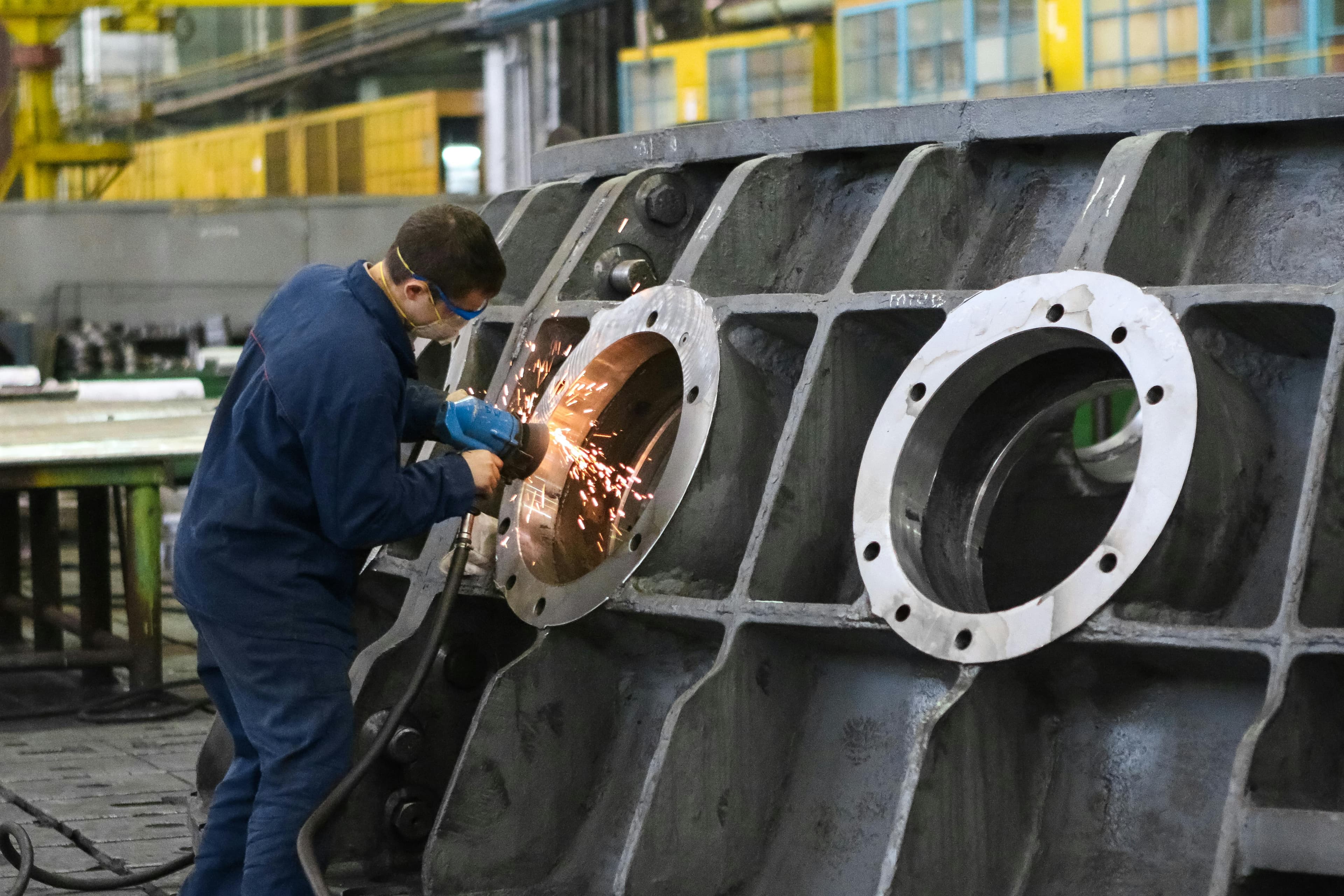
You've built a manufacturing business from the ground up. You've invested in equipment, trained employees, developed processes, and created products that customers rely on. Now you're ready to sell your manufacturing business, but you're not sure where to start or what your business is really worth.
Selling a manufacturing business is different from selling other types of businesses. Buyers evaluate manufacturing operations differently. They look at equipment value, production capacity, customer contracts, supply chain relationships, and operational efficiency in ways that don't apply to service businesses or retail operations.
After working with manufacturing business owners across the country, I've seen what works and what doesn't when it comes to selling these operations. The businesses that sell fastest and for the highest prices are the ones that prepare properly, understand their value, and present themselves in ways that attract serious buyers.
In this guide, I'll walk you through everything you need to know about selling your manufacturing business. You'll learn how to prepare your business for sale, what buyers are really looking for, how to value your operation, and how to navigate the selling process from start to finish.
Why Manufacturing Businesses Are Unique to Sell
Manufacturing businesses have characteristics that make them both valuable and challenging to sell. Understanding these unique aspects will help you position your business correctly and set realistic expectations.
Asset Heavy Operations
Manufacturing businesses typically have significant assets. Equipment, machinery, tooling, and facilities represent substantial value. Buyers often evaluate these assets separately from the business operations. A buyer might be interested in your equipment even if they're not interested in your entire operation.
I've seen manufacturing businesses where the equipment value alone was $2 million, but the business operations were only generating $300,000 in annual profit. In cases like this, buyers might offer to buy just the equipment, or they might value the business based on both the asset value and the earning potential.
Customer Concentration Risks
Many manufacturing businesses have customer concentration issues. If 40% of your revenue comes from one customer, buyers see risk. If that customer leaves, the business loses nearly half its revenue. This concentration can reduce your business value by 20 to 30% compared to a business with more diversified customers.
On the other hand, if you have long term contracts with major customers, those contracts can significantly increase your business value. A manufacturing business with three year contracts from Fortune 500 companies is worth more than a business with month to month relationships, even if the revenue is the same.
Operational Complexity
Manufacturing operations are complex. You have production schedules, quality control processes, inventory management, supply chain relationships, and employee expertise that can't be easily documented. Buyers need to understand how all these pieces work together.
The more you can document and systematize your operations, the more valuable your business becomes. Buyers pay premiums for businesses that can run without the owner's daily involvement.
Want to understand what your manufacturing business might be worth? Use our free business valuation calculator to get an initial estimate based on your financials and operations.
Preparing Your Manufacturing Business for Sale
The businesses that sell fastest and for the highest prices are the ones that prepare properly. Start preparing at least 12 to 18 months before you want to sell. This gives you time to improve operations, clean up financials, and position the business for maximum value.
Financial Preparation
Buyers will scrutinize your financials more than anything else. They need to see clean, accurate records that show consistent profitability.
Clean Up Your Books
Separate personal expenses from business expenses completely. I've seen deals fall apart because sellers were running personal expenses through the business. Buyers see this as a red flag. They wonder what else might be wrong with the financials.
Hire a professional accountant to review your books. Get your financial statements audited or at least reviewed by a CPA. Clean financials give buyers confidence and can increase your business value by 10 to 15%.
Show Consistent Profitability
Buyers want to see at least two to three years of consistent profitability. If your business had a bad year, be prepared to explain why. Was it a one time expense? A market downturn? A customer loss that you've since replaced?
I worked with a manufacturing business owner who had one bad year due to a major equipment breakdown. The repair cost $150,000 and wasn't covered by insurance. That one year dragged down his three year average. We documented the issue, showed it was a one time event, and explained how the new equipment actually improved operations. The buyer understood and the sale went through.
Document All Revenue Streams
Manufacturing businesses often have multiple revenue streams. You might have production contracts, custom work, spare parts sales, maintenance services, or consulting revenue. Document each stream separately so buyers can see the full picture.
Operational Preparation
The more your business can run without you, the more valuable it becomes. Buyers pay premiums for businesses that have systems, processes, and trained employees.
Document Your Processes
Create standard operating procedures for every major process. Document your quality control procedures, production schedules, inventory management systems, and maintenance protocols. The more you can document, the easier it is for a buyer to understand and take over your operations.
I've seen manufacturing businesses where the owner was the only person who knew how to operate certain equipment or troubleshoot specific problems. These businesses are harder to sell and sell for less. Train your employees to handle these situations, and document the processes.
Strengthen Your Management Team
If you're the only person who can run the business, buyers see risk. They wonder what happens if you leave. Build a management team that can run the business without you. This might mean promoting key employees, hiring additional managers, or restructuring your organization.
A manufacturing business with a strong management team can sell for 20 to 30% more than a business that depends entirely on the owner.
Improve Your Equipment
Well maintained, modern equipment increases business value. If your equipment is outdated or in poor condition, buyers will factor replacement costs into their offers. I've seen buyers reduce offers by $200,000 or more because they knew they'd need to replace equipment within a year or two.
If you can't afford new equipment, at least ensure your existing equipment is well maintained. Keep detailed maintenance records. Show buyers that you've taken care of your assets.
Customer and Contract Preparation
Your customer relationships and contracts significantly impact your business value.
Diversify Your Customer Base
If one customer represents more than 20% of your revenue, work to diversify. This might mean turning down work from your largest customer or actively pursuing new customers. It's better to have ten customers at 10% each than one customer at 50%.
I worked with a manufacturing business owner who had one customer representing 60% of revenue. We spent 18 months diversifying before listing the business. The business sold for 40% more than it would have with that customer concentration.
Secure Long Term Contracts
If possible, convert month to month relationships into longer term contracts. A manufacturing business with three year contracts is worth significantly more than a business with month to month relationships, even if the revenue is the same.
Document Customer Relationships
Create a customer relationship database. Document who your key contacts are, what they value about your business, and how long you've worked together. Buyers want to understand these relationships and see that they can be maintained after the sale.
Need help preparing your manufacturing business for sale? Contact us for a consultation. We can help you identify areas to improve and create a preparation plan that maximizes your business value.
Valuing Your Manufacturing Business
Manufacturing businesses are valued differently than other types of businesses. Buyers and appraisers use multiple methods to determine value, and they often look at both the business operations and the underlying assets.
Common Valuation Methods
Asset Based Valuation
This method looks at the value of your assets minus liabilities. For manufacturing businesses, this includes equipment, machinery, tooling, inventory, real estate if owned, and other tangible assets. Asset based valuations are common when a business isn't highly profitable or when the assets are worth more than the business operations.
I've seen manufacturing businesses where the equipment was worth $3 million, but the business was only generating $200,000 in annual profit. In this case, an asset based valuation might be more appropriate than an earnings based valuation.
Earnings Based Valuation
This method looks at your business's ability to generate profit. Common multiples for manufacturing businesses range from 2.5 to 5 times annual earnings, depending on factors like industry, growth potential, customer concentration, and operational efficiency.
A manufacturing business generating $500,000 in annual profit might sell for $1.5 million to $2.5 million, depending on these factors. Businesses with strong growth, diversified customers, and documented systems typically sell at the higher end of this range.
Market Based Valuation
This method compares your business to similar businesses that have sold recently. However, finding comparable sales for manufacturing businesses can be difficult because each operation is unique. Your equipment, customers, and processes are different from other manufacturing businesses.
How Key Factors Affect Manufacturing Business Value
| Factor | Impact on Value | Example |
|---|---|---|
| Strong profit growth (3+ years) | Increases value 15 to 25% | Growing 10% annually commands top of range multiples |
| Diversified customer base | Increases value 20 to 30% | No single customer above 15% of revenue |
| Long term contracts | Increases value 15 to 25% | 3 year contracts with Fortune 500 buyers |
| Modern equipment in good condition | Increases value 10 to 20% | Recently upgraded CNC machines with maintenance logs |
| High customer concentration (over 25%) | Decreases value 25 to 40% | One customer at 50% of revenue |
| Outdated or poorly maintained equipment | Decreases value 10 to 20% | Buyer deducts $200K+ for near term replacement costs |
| Owner dependency (owner runs everything) | Decreases value 20 to 30% | No trained management team in place |
| Environmental or regulatory violations | Can make business unsellable | Contaminated property or unresolved violations |
Factors That Increase Value
Several factors can significantly increase your manufacturing business value.
Strong Financial Performance
Consistent, growing profitability is the most important factor. Buyers pay premiums for businesses that show strong financial performance over multiple years. A manufacturing business with three years of growing profits is worth more than a business with inconsistent or declining profits.
Diversified Customer Base
As I mentioned earlier, customer diversification increases value. A manufacturing business with no single customer representing more than 15% of revenue is worth 20 to 30% more than a business with high customer concentration.
Long Term Contracts
Contracts with customers, suppliers, or key employees increase value. These contracts reduce risk for buyers and make the business more predictable. I've seen long term contracts add 15 to 25% to business value.
Modern, Well Maintained Equipment
Equipment that's in good condition and relatively modern increases value. Buyers don't want to invest in new equipment immediately after buying your business. Well maintained equipment reduces their risk and increases what they're willing to pay.
Strong Management Team
A business that can run without the owner is worth significantly more than a business that depends on the owner. If you have a management team that can handle operations, buyers see less risk and pay more.
Documented Systems and Processes
The more you can document your operations, the more valuable your business becomes. Buyers pay premiums for businesses with documented processes because they're easier to take over and operate.
Factors That Decrease Value
Several factors can reduce your manufacturing business value.
Customer Concentration
If one customer represents more than 25% of your revenue, buyers see significant risk. They'll reduce their offers to account for this risk. I've seen customer concentration reduce business value by 25 to 40%.
Outdated Equipment
Equipment that needs replacement reduces value. Buyers factor replacement costs into their offers. If your equipment is outdated or in poor condition, expect lower offers.
Owner Dependency
If you're the only person who can run the business, buyers see risk. They'll reduce offers to account for the transition risk and the possibility that operations might suffer when you leave.
Poor Financial Records
Incomplete or inaccurate financial records reduce buyer confidence and business value. Buyers need to see clean, professional financials. Poor records can reduce value by 15 to 25%.
Environmental Issues
Manufacturing businesses can have environmental liabilities. Contaminated property, hazardous waste, or regulatory violations can significantly reduce value or make the business unsellable. Address these issues before listing your business.
Want to get a professional valuation of your manufacturing business? Contact us for a consultation. We can help you understand what your business is worth and identify areas to improve before selling.
What Buyers Look for in Manufacturing Businesses
Understanding what buyers want helps you position your business correctly and address potential concerns before they become deal breakers.
Financial Performance
Buyers want to see consistent, growing profitability. They'll review your financials going back three to five years. They want to see that your business can generate profit consistently, not just in good years.
They'll also look at your profit margins. Manufacturing businesses with strong margins are more attractive than businesses with thin margins. If your margins are declining, buyers will want to understand why and whether the trend can be reversed.
Customer Base and Contracts
Buyers evaluate your customer base carefully. They want to see:
- Diversified customers with no single customer representing more than 15 to 20% of revenue
- Long term relationships with key customers
- Contracts or purchase orders that provide revenue visibility
- Customers in stable industries that aren't likely to disappear
- Payment history and creditworthiness of your customers
I've seen buyers walk away from manufacturing businesses because they were too dependent on one customer or because the customer base was in a declining industry.
Equipment and Facilities
Buyers will inspect your equipment and facilities thoroughly. They want to see:
- Modern, well maintained equipment
- Equipment that's appropriate for current production needs
- Facilities that are clean, organized, and in good condition
- Room for growth if needed
- Compliance with safety and environmental regulations
Buyers often bring equipment appraisers to evaluate your machinery. They want to know what your equipment is worth and what condition it's in.
Operational Systems
Buyers want businesses that can run without the current owner. They look for:
- Documented processes and procedures
- Trained employees who can handle operations
- Management systems that don't depend on the owner
- Quality control systems that ensure consistent output
- Inventory management systems that prevent waste and stockouts
The more systematized your operations, the more attractive your business becomes.
Market Position and Competitive Advantages
Buyers want to understand your competitive position. They'll ask:
- What makes your business different from competitors?
- Do you have proprietary processes or technology?
- What are your barriers to entry?
- How stable is your market?
- Are there growth opportunities?
Manufacturing businesses with strong competitive advantages sell for more than businesses in commodity markets.
Management and Employees
Buyers evaluate your team. They want to see:
- Key employees who are committed to staying after the sale
- Employees with the skills needed to run operations
- Reasonable employee turnover
- Good relationships between management and employees
- Documentation of key employee roles and responsibilities
If key employees are likely to leave when you sell, buyers will reduce their offers to account for replacement costs and transition risk.
Looking for funding to improve your business before selling? Explore our unsecured funding programs that can provide capital for equipment upgrades, facility improvements, or working capital to strengthen your financial position.
Common Challenges When Selling Manufacturing Businesses
Selling a manufacturing business comes with unique challenges. Understanding these challenges helps you prepare and avoid common pitfalls.
Equipment Valuation Disputes
One of the biggest challenges is agreeing on equipment value. Sellers often think their equipment is worth more than buyers are willing to pay. Buyers might want to bring in appraisers, while sellers might have their own appraisals.
I've seen deals stall because of $50,000 differences in equipment valuation. The solution is to get professional appraisals before listing your business. Know what your equipment is worth, and be prepared to justify your valuation with documentation.
Customer Transition Concerns
Buyers worry that customers will leave when ownership changes. This is especially true if you have personal relationships with key customers. Buyers want assurance that customers will stay.
The solution is to involve key customers in the transition process when possible. Introduce buyers to key customers. Show buyers that customer relationships are based on more than just your personal connection.
Environmental and Regulatory Issues
Manufacturing businesses can have environmental liabilities. Contaminated property, hazardous waste, or regulatory violations can kill deals. Buyers will conduct environmental due diligence, and they might walk away if they find issues.
Address environmental issues before listing your business. Get environmental assessments. Clean up any contamination. Ensure compliance with all regulations. The cost of addressing these issues is usually less than the value lost if a deal falls apart.
Employee Retention
Key employees might leave when you sell. Buyers worry about losing critical knowledge and skills. This is especially true if employees are loyal to you personally rather than to the business.
The solution is to build employee loyalty to the business, not just to you. Create systems and processes that don't depend on specific people. Consider retention bonuses for key employees that are tied to the sale.
Confidentiality Concerns
You need to keep the sale confidential to avoid alarming customers, employees, and suppliers. But you also need to provide information to potential buyers. This creates a tension.
Work with a business broker who understands confidentiality. Use non disclosure agreements. Control who has access to sensitive information. Only provide detailed information to serious, qualified buyers.
Financing Challenges
Buyers might struggle to get financing for manufacturing businesses. Lenders are cautious about manufacturing operations, especially if they're asset heavy or have customer concentration issues.
Be prepared to offer seller financing or work with buyers who have strong financials. Seller financing can make your business more attractive and help you get a higher price.
Need help navigating the challenges of selling your manufacturing business? Contact us for guidance. We can help you address these challenges and position your business for a successful sale.
Working with a Manufacturing Business Broker
Many manufacturing business owners work with a manufacturing business broker to sell their businesses. A good manufacturing business broker understands the unique aspects of manufacturing operations and can help you value your business, find qualified buyers, negotiate deals, and navigate the selling process.
When to Use a Broker
Consider using a broker if:
- You don't have experience selling businesses
- You want to keep the sale confidential
- You don't have time to handle the selling process yourself
- You want access to a network of potential buyers
- You want help with valuation and negotiation
Brokers typically charge 8 to 12% of the sale price, but they can often help you get a higher price and close deals faster than selling on your own.
What to Look for in a Broker
Not all brokers are created equal. Look for:
- Experience selling manufacturing businesses specifically
- A track record of successful sales in your industry
- A network of qualified buyers
- Professional credentials and memberships
- References from previous clients
- Clear communication and transparency
I've seen business owners work with brokers who didn't understand manufacturing businesses, and the results were poor. Make sure your manufacturing business broker understands your industry and the unique aspects of manufacturing operations. A specialized manufacturing business broker will know how to value your equipment, understand your production processes, and find buyers who are serious about manufacturing businesses.
Broker Services
A good broker will help you with:
- Business valuation and pricing strategy
- Preparing marketing materials
- Finding and qualifying buyers
- Negotiating deals
- Managing due diligence
- Coordinating with attorneys and accountants
- Closing the transaction
The broker should handle most of the work, allowing you to focus on running your business during the selling process.
Broker Fees
Broker fees are typically 8 to 12% of the sale price, though this can vary. Some brokers charge lower fees for larger deals. Fees are usually paid at closing, so you don't pay anything upfront.
Make sure you understand the fee structure before signing a broker agreement. Ask about what happens if the sale doesn't close, and whether there are any additional fees.
Due Diligence for Manufacturing Businesses
Buyers will conduct thorough due diligence before closing. Understanding what they'll look for helps you prepare and avoid surprises.
| Due Diligence Area | What Buyers Review | Documents to Prepare |
|---|---|---|
| Financial | Profit and loss, margins, revenue trends | 3 to 5 years of financials, tax returns, bank statements |
| Operational | Production processes, quality control, capacity | SOPs, equipment logs, production schedules |
| Legal | Contracts, ownership, litigation history | Corporate docs, customer and supplier agreements |
| Environmental | Hazardous materials, waste, permits, compliance | Environmental assessments, permits, disposal records |
| Equipment | Condition, age, maintenance history, market value | Appraisals, maintenance logs, depreciation schedules |
| Workforce | Key employees, turnover, skills, retention risk | Org chart, employment agreements, compensation details |
Financial Due Diligence
Buyers will review your financials in detail. They'll want to see:
- Three to five years of financial statements
- Tax returns
- Bank statements
- Accounts receivable and payable aging reports
- Inventory valuations
- Equipment depreciation schedules
- Lease agreements
- Loan documents
Have all these documents organized and ready. The faster you can provide information, the faster the due diligence process moves.
Operational Due Diligence
Buyers will want to understand your operations. They'll review:
- Production processes and procedures
- Quality control systems
- Inventory management
- Supply chain relationships
- Employee roles and responsibilities
- Customer relationships and contracts
- Equipment maintenance records
- Safety and compliance procedures
Be prepared to answer detailed questions about how your business operates. Buyers might want to observe operations or speak with key employees.
Legal Due Diligence
Buyers will review your legal situation. They'll check:
- Corporate documents and ownership structure
- Contracts with customers, suppliers, and employees
- Lease agreements
- Environmental compliance
- Regulatory compliance
- Intellectual property
- Litigation history
- Insurance policies
Address any legal issues before listing your business. Legal problems can kill deals or significantly reduce offers.
Environmental Due Diligence
Manufacturing businesses often require environmental due diligence. Buyers will want:
- Environmental assessments
- Compliance with environmental regulations
- Documentation of hazardous materials handling
- Waste disposal records
- Air and water permits
- Any history of environmental violations
If you have environmental issues, address them before listing. Environmental problems can make your business unsellable or significantly reduce its value.
Transition Planning
A successful sale requires a smooth transition. Buyers want assurance that operations will continue smoothly after the sale, and they often want you to stay involved during the transition period.
Transition Period Expectations
Most buyers want a transition period of 30 to 90 days, sometimes longer. During this time, you'll help the buyer learn the business and ensure operations continue smoothly.
Be prepared to:
- Train the buyer on operations
- Introduce the buyer to key customers, suppliers, and employees
- Help with the transition of management responsibilities
- Answer questions and provide guidance
- Ensure continuity of operations
The transition period is critical for a successful sale. A smooth transition increases the likelihood that the deal closes and that you get paid in full.
Employee Communication
Decide when and how to tell employees about the sale. Some sellers tell employees early, while others wait until the deal is nearly closed. There's no right answer, but consider:
- How employees might react
- Whether key employees might leave
- Whether confidentiality is important
- How the buyer wants to handle employee communication
Work with your broker and attorney to develop a communication plan. The goal is to maintain operations and employee morale while managing the transition.
Customer Communication
Similar considerations apply to customers. You need to decide when to tell customers about the sale and how to introduce the buyer.
For key customers, consider introducing the buyer before closing. This helps ensure customer retention and smooth transition. For smaller customers, you might wait until after closing.
The buyer will likely want to meet key customers and assure them that service will continue. Work with the buyer to make these introductions smoothly.
Common Mistakes to Avoid
I've seen many manufacturing business owners make mistakes that cost them time, money, or deals. Here are the most common mistakes and how to avoid them.
Mistake 1: Not Preparing Early Enough
Many sellers wait until they're ready to sell before starting preparation. This is too late. Start preparing 12 to 18 months before you want to sell. This gives you time to improve operations, clean up financials, and position the business for maximum value.
Mistake 2: Overvaluing the Business
Sellers often think their businesses are worth more than they actually are. They focus on what they've invested or what the business means to them personally, rather than what buyers are willing to pay.
Get a professional valuation before listing. Understand what similar businesses have sold for. Be realistic about your business's value based on financial performance and market conditions.
Mistake 3: Poor Financial Records
Incomplete or inaccurate financial records reduce buyer confidence and business value. Buyers need to see clean, professional financials. If your records are a mess, buyers will wonder what else might be wrong.
Hire a professional accountant to clean up your books before listing. Get your financial statements reviewed or audited. Clean financials are essential for a successful sale.
Mistake 4: Ignoring Customer Concentration
If one customer represents a large portion of your revenue, buyers see significant risk. Many sellers ignore this issue, thinking their customer relationships are secure. But buyers will reduce offers to account for this risk.
Work to diversify your customer base before selling. Even if you can't eliminate customer concentration completely, reducing it from 50% to 30% can significantly increase your business value.
Mistake 5: Not Documenting Processes
Many manufacturing businesses depend on the owner's knowledge and experience. Buyers see this as a risk. They wonder what happens when the owner leaves.
Document your processes and procedures. Train employees to handle operations without you. The more systematized your business, the more valuable it becomes.
Mistake 6: Being Unavailable During Due Diligence
Buyers need information to make decisions. If you're slow to respond or unavailable during due diligence, buyers lose confidence and might walk away.
Be responsive and available during the selling process. Have documents organized and ready. Answer questions promptly. The faster due diligence moves, the faster you get to closing.
Mistake 7: Not Planning for Transition
Many sellers don't think about the transition until the deal is nearly closed. This creates problems. Buyers need assurance that operations will continue smoothly, and they often want you to stay involved during transition.
Plan for transition early. Think about how you'll train the buyer, introduce them to key relationships, and ensure continuity of operations. A smooth transition is critical for a successful sale.
What To Do Next
If you're considering selling your manufacturing business, here's what to do next.
Step 1: Get a Professional Valuation
Understand what your business is worth before you start the selling process. A professional valuation helps you set realistic expectations and identify areas to improve.
Want to get started with a valuation? Use our free business valuation calculator to get an initial estimate, then contact us for a professional consultation.
Step 2: Prepare Your Business
Start preparing your business for sale 12 to 18 months before you want to sell. Clean up your financials, document your processes, diversify your customers, and strengthen your management team.
The more you prepare, the more valuable your business becomes and the faster it will sell.
Step 3: Decide How to Sell
Decide whether to sell on your own or work with a broker. Consider your experience, time availability, and the complexity of your business. Many manufacturing business owners work with brokers because of the complexity and confidentiality requirements.
Step 4: Create a Marketing Plan
Whether you're selling on your own or working with a broker, you need a marketing plan. This includes preparing marketing materials, identifying potential buyers, and managing the sales process while maintaining confidentiality.
Step 5: Be Patient
Selling a manufacturing business takes time. The process typically takes 6 to 12 months from listing to closing. Be patient, but also be proactive in addressing buyer concerns and moving the process forward.
Frequently Asked Questions About Selling Manufacturing Businesses
Here are answers to common questions about selling manufacturing businesses.
How do you value a manufacturing business?
Manufacturing businesses are typically valued using multiple methods. Asset based valuation looks at the value of your equipment, machinery, and facilities. Earnings based valuation looks at your profit and applies a multiple, usually 2.5 to 5 times annual earnings. Market based valuation compares your business to similar businesses that have sold recently. Most buyers and appraisers use a combination of these methods to determine value.
What is a manufacturing business worth?
The value of a manufacturing business depends on several factors. Financial performance is the most important. A business generating $500,000 in annual profit might sell for $1.5 million to $2.5 million. Other factors include customer diversification, equipment condition, management team strength, and growth potential. Businesses with strong financials, diversified customers, and modern equipment typically sell at the higher end of valuation ranges.
How long does it take to sell a manufacturing business?
The process typically takes 6 to 12 months from listing to closing. Preparation can take 12 to 18 months before listing. The actual selling process includes finding buyers, negotiating deals, conducting due diligence, and closing. Well prepared businesses with clean financials and good operations tend to sell faster than businesses that need significant preparation.
Do I need a broker to sell my manufacturing business?
You don't need a broker, but many manufacturing business owners work with a manufacturing business broker because of the complexity involved. Brokers help with valuation, finding qualified buyers, maintaining confidentiality, and navigating the selling process. They typically charge 8 to 12% of the sale price, but they can often help you get a higher price and close deals faster.
What do buyers look for in manufacturing businesses?
Buyers look for several key things. They want consistent, growing profitability over multiple years. They evaluate your customer base and prefer diversified customers with no single customer representing more than 15 to 20% of revenue. They inspect your equipment and facilities, looking for modern, well maintained equipment. They want businesses with documented processes, strong management teams, and systems that can run without the owner. They also evaluate your market position, competitive advantages, and growth potential.
What are the biggest challenges when selling a manufacturing business?
The biggest challenges include equipment valuation disputes, customer transition concerns, environmental and regulatory issues, employee retention, confidentiality concerns, and financing challenges. Buyers might struggle to get financing, especially for asset heavy operations or businesses with customer concentration issues. Addressing these challenges before listing your business can help you avoid deal breakers and get better offers.
How can I increase my manufacturing business value before selling?
Start preparing 12 to 18 months before you want to sell. Clean up your financials and get professional accounting help. Document all your processes and procedures. Diversify your customer base so no single customer represents more than 20% of revenue. Strengthen your management team so the business can run without you. Maintain your equipment well and keep detailed maintenance records. Secure long term contracts with key customers when possible. These improvements can significantly increase your business value.
Conclusion
Selling a manufacturing business is a complex process that requires careful preparation and planning. The businesses that sell fastest and for the highest prices are the ones that prepare properly, understand their value, and present themselves in ways that attract serious buyers.
Start preparing early. Clean up your financials, document your processes, diversify your customers, and strengthen your management team. Get a professional valuation to understand what your business is worth. Work with experienced professionals who understand manufacturing businesses.
The selling process takes time, but with proper preparation and the right approach, you can successfully sell your manufacturing business and move on to your next chapter.
Remember, every manufacturing business is unique. Your equipment, customers, processes, and market position are different from other businesses. Focus on what makes your business valuable, and present it in ways that help buyers understand that value.
Ready to start the process of selling your manufacturing business? Contact us for a consultation. We can help you understand what your business is worth, identify areas to improve, and guide you through the entire selling process.
Want to see what your manufacturing business might be worth? Use our free business valuation calculator to get an initial estimate based on your financials and operations.
Ready to get organized and prepared? Download our free Business Seller Readiness Checklist to help you track your preparation progress and ensure you're ready when it's time to sell.
Need funding to improve your business before selling? Explore our unsecured funding programs that can provide capital for equipment upgrades, facility improvements, or working capital to strengthen your financial position and increase your business value.
Related Articles

April 30, 2026
How Long Does It Really Take to Sell a Business
Most sellers are shocked by how long it takes. Here's the honest timeline from listing to closing, and what actually speeds things up.

April 26, 2026
How to Structure an Earnout That Works for Seller and Buyer
Most earnouts fail because they're poorly structured. Here's how to build earnout terms that protect both sides of the deal.

April 24, 2026
How to Value Intellectual Property in a Business Sale
Your IP could be worth more than your equipment. Learn how patents, trademarks, and trade secrets affect your business valuation.
About the Author
Jenesh Napit is an experienced business broker specializing in business acquisitions, valuations, and exit planning. With a Bachelor's degree in Economics and Finance and years of experience helping clients successfully buy and sell businesses, he provides expert guidance throughout the entire transaction process. As a verified business broker on BizBuySell and member of Hedgestone Business Advisors, he brings deep expertise in business valuation, SBA financing, due diligence, and negotiation strategies.
You might also be interested in
Free Business Calculators
Try our business valuation calculator and ROI calculator to estimate values and returns instantly.
How to Buy a Business Guide
Download our comprehensive free guide covering everything you need to know about buying a business.
Our Services
Explore our professional business brokerage services including valuations and buyer representation.
More Articles
Browse our complete collection of business brokerage insights and expertise.